Santa Baby: A Designer’s Embroidery Review
As a professional designer and product reviewer who has spent years digitizing, stitching, and evaluating graphics for real-world production, I approach every new asset with a critical eye. When I first opened the Santa Baby files from the Pro_Design team, I wasn't just looking at a pretty picture; I was mentally mapping out how this graphic would translate from a screen to a needle and thread. The package includes high-quality EPS, AI, PNG, and SVG files at 300 DPI, which is an excellent starting point for any T-Shirt Designs or print project. However, for those of us in the embroidery space, vector clarity and resolution are only half the battle. My review focuses on whether this specific design can withstand the rigors of commercial embroidery and handmade production without losing its charm or structural integrity.
First Impressions and Holiday Mood
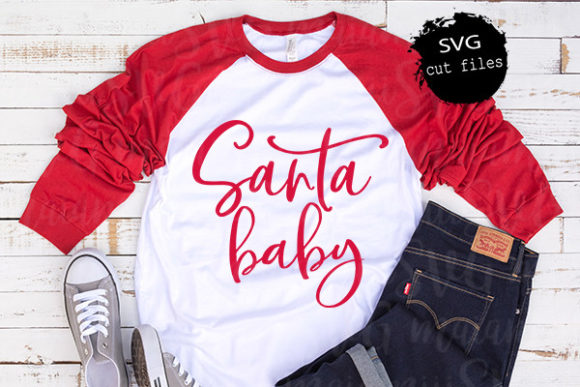
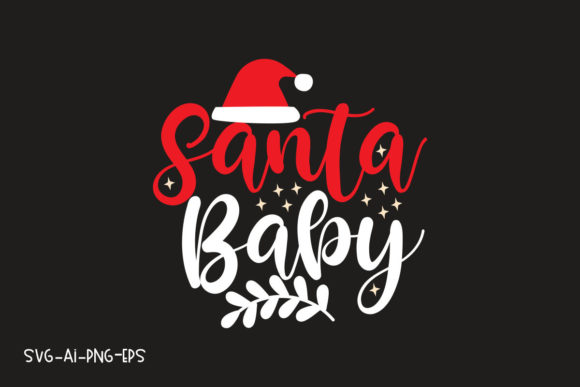
The immediate visual impact of Santa Baby is undeniably nostalgic yet clean. It strikes a balance between vintage holiday aesthetics and modern vector precision. For an embroidery designer, the lines appear distinct rather than overly sketched, which is crucial when converting Graphics into stitch paths. The typography is playful but legible, suggesting it won't turn into a muddy blob when rendered in satin stitches. The mood is lighthearted and festive, making it instantly recognizable as holiday merchandise. This visual clarity gives me confidence that the design possesses the necessary "bones" to serve as a strong foundation for a machine embroidery design, provided the digitizer respects the original line weight and negative space.
Real-World Application: The Custom Sweatshirt Test
To truly evaluate this asset, I envision a specific production scenario: creating a custom embroidered crewneck sweatshirt for a boutique holiday collection. In this context, Santa Baby needs to perform on fleece-backed cotton, a fabric that can easily swallow fine details. I picture placing the design centered on the chest, approximately four inches wide. Because the source files are high-resolution vectors, scaling up for a sweatshirt embroidery project should maintain crisp edges. The design’s layout suggests it would pair beautifully with a simple running stitch outline for the text and a fill stitch for Santa’s hat and beard. This combination prevents the design from becoming too dense, which is vital for maintaining the drape and comfort of the garment. For an Etsy seller or small shop owner, this versatility means one digital asset can yield multiple finished products, from apparel to tote bag design projects, maximizing return on investment.
Navigating Fabric Textures and Stabilization
While the vector quality is high, the physical application requires careful planning. If you intend to use Santa Baby on textured fabrics like terry cloth towels or ribbed knits, you must account for push-and-pull distortion. The intricate curves typical of holiday illustrations can shift during stitching if the stabilizer choice is inadequate. I recommend testing this design on scrap fabric that matches your final substrate before committing to a finished product. For stretchy materials often used in baby embroidery or lightweight tees, a cut-away stabilizer is non-negotiable to prevent puckering around the lettering. Additionally, if you are considering this for an applique design, ensure the internal shapes are large enough to accommodate fabric wrapping. Tiny elements in the original graphic might need to be simplified or omitted entirely to ensure the applique lays flat and survives washing.
Technical Considerations for Digitizers
Having access to EPS and AI files is a massive advantage for digitizers working with Santa Baby. Unlike raster images where you have to trace over pixels, these vector formats allow you to extract exact node points for your embroidery file. However, users must verify the licensing terms included with the download before selling commercial embroidery items or digital stitch files. Not all graphic licenses extend to digitized resale. From a technical standpoint, pay close attention to the stitch density. The 300 DPI source art is perfect for print, but embroidery requires spacing. Over-densifying the red areas of Santa’s suit will result in a stiff, bulletproof patch that customers won't want to wear. Instead, utilize underlay stitches to build height and coverage without excessive top thread. This approach preserves the soft hand-feel essential for personalized gift items and high-end boutique apparel.
Visual Appeal Across Different Products
The adaptability of Santa Baby extends beyond apparel. I can see this design functioning exceptionally well as an embroidered patch for denim jackets or backpacks. Patches require dense borders and stable backing, and the bold shapes in this graphic support that structure. Conversely, for delicate items like nursery decor or pillow covers, the design might need to be resized down. Here, caution is necessary. Reducing a complex graphic below three inches can cause text to become illegible and facial features to distort. Always run a test stitch-out at the smallest intended size. For holiday embroidery projects targeting adult buyers, the design’s retro vibe adds perceived value and professionalism. It avoids the generic clip-art look that often devalues handmade goods, helping craft business owners justify higher price points through superior aesthetic presentation.
Essential Pre-Production Checklist
Before loading Santa Baby into your machine or sending it to a contract embroiderer, run through this practical checklist to ensure success:
- Verify Licensing: Confirm specifically whether the Pro_Design license permits the sale of physical embroidered goods versus just the digital graphic itself.
- Test Contrast: View the design in black and white mockups to ensure readability relies on shape, not just color contrast, especially for tone-on-tone custom apparel.
- Check Hoop Size: Measure the design dimensions against your available hoops; re-hooping mid-design introduces alignment risks.
- Evaluate Small Details: Identify any lines thinner than 1mm in the vector file and decide if they should be converted to running stitches or removed to prevent needle breaks.
- Stabilizer Match: Select stabilizer weight based on the final fabric, not the design complexity alone.
- Mockup Validation: Use printable mockup templates to show clients exactly how the placement will look before stitching begins.
Final Verdict for Makers and Sellers
Santa Baby represents a solid asset for creative entrepreneurs who understand the translation process from digital art to stitched reality. The inclusion of multiple vector formats by the Pro_Design team demonstrates a commitment to quality that benefits both print and embroidery workflows. While the graphic itself is charming and professionally drawn, its success in your shop depends entirely on your technical execution. Respect the limitations of thread and fabric, simplify where necessary, and always test before selling. When treated with the appropriate craftsmanship, this design has the potential to become a staple in your design assets library, driving engagement and sales across a variety of handmade product categories this holiday season. Whether you are making a single personalized gift or stocking a full retail line, this graphic provides the professional foundation needed for beautiful results.